Compare Local Contractors for Drainage Sloping Services
Compare local contractors for drainage sloping to define project scope, verify experience, and set clear expectations before hiring.
Drainage sloping services typically involve adjusting the grade or pitch of a property’s surface to ensure proper water runoff. This work often includes assessing existing slopes, excavating or grading soil, and installing or modifying drainage systems to direct water away from foundations, walkways, and other critical areas. Proper drainage sloping helps prevent water accumulation, which can lead to issues such as foundation damage, erosion, or landscape problems. Contractors in this field focus on creating effective slopes that align with the property’s layout and ensure water flows naturally and efficiently away from structures.
Defining the scope of drainage sloping projects is essential for setting clear expectations and ensuring the work meets specific needs. A well-outlined scope might specify the areas to be graded, the desired slope angles, and any additional drainage components to be integrated. Clarifying these details in writing helps property owners communicate their goals effectively and provides a reference point for contractors. It also minimizes misunderstandings and helps ensure that the work performed aligns with the property owner’s priorities and the site’s unique conditions.
When comparing local contractors for drainage sloping, property owners should focus on verifying experience and expertise relevant to the scope of their project. It’s advisable to review each contractor’s background in similar work, ask about their approach to grading and drainage, and request detailed descriptions of the services they offer. Comparing how contractors define their scope of work and the methods they plan to use can help property owners identify the most suitable service providers. Additionally, obtaining references or examples of past projects can provide insight into their capabilities, making it easier to choose a contractor who can deliver results aligned with the property’s needs.
Compare local contractors by outlining project priorities, verifying experience, and setting clear expectations in writing.
- Compare Contractor Experience - review the background and project history of local contractors to ensure they have relevant drainage sloping expertise.
- Define Project Scope Clearly - outline specific requirements and expectations to establish a shared understanding with service providers.
- Verify Qualifications and References - check credentials and seek references to assess the reliability and quality of local contractors.
- Document Agreements in Writing - ensure all project details, responsibilities, and expectations are confirmed through written agreements.
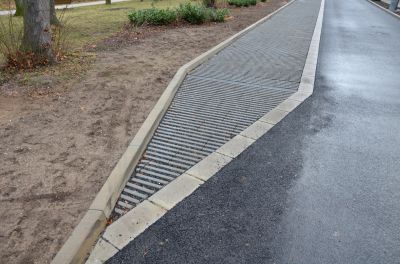
Clearly describe your drainage sloping project to help compare local contractors, define scope, verify experience, and set expectations in writing.
- Verify that the contractor understands proper drainage slope standards for your area. - Ensure the service provider can clearly define the scope of work related to drainage sloping.
- Check that the contractor has experience with similar drainage projects in your region. - Confirm that the contractor can provide examples or references of completed drainage sloping work.
- Request a detailed written plan outlining the slope specifications and materials to be used. - Make sure the scope and expectations are documented before work begins.
- Compare multiple local contractors to assess their approach and understanding of drainage slope requirements. - Look for consistency in their explanations and proposed solutions.
- Ensure the contractor explains how they will assess existing terrain and determine proper slope grades. - Clarify their process for evaluating site conditions impacting drainage.
- Discuss how the contractor will handle potential issues such as soil instability or existing drainage problems. - Confirm they can address site-specific challenges effectively.
Compare local contractors’ experience and clarify scope to ensure your drainage sloping project meets expectations.
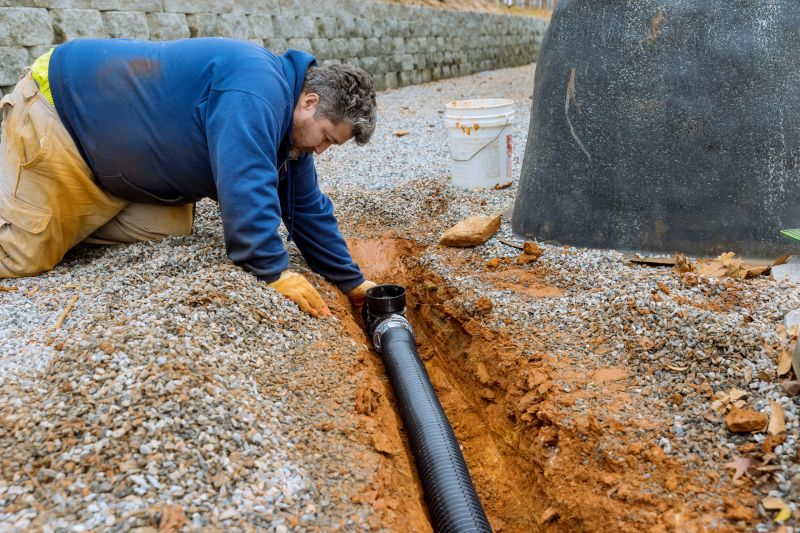
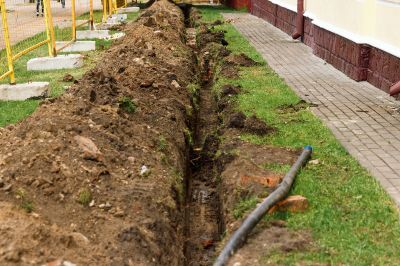
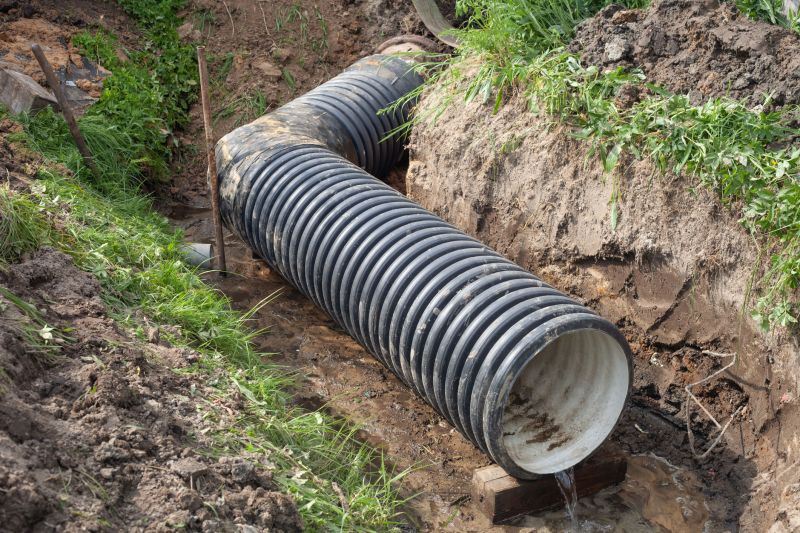
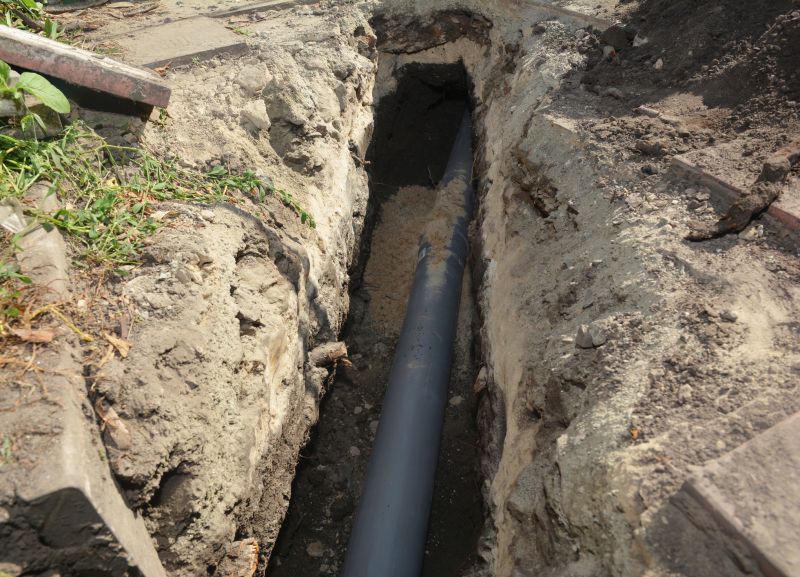
Learn how to compare drainage sloping contractors, define scope clearly, verify experience, and set expectations consistently.
- Define slope requirements - specify the desired drainage slope percentage or angle to ensure proper water flow.
- Assess site conditions - evaluate the existing terrain, soil type, and drainage patterns that may affect slope design.
- Verify experience with drainage sloping projects - confirm that local contractors have relevant experience in creating effective slopes for drainage.
- Establish scope of work in writing - clearly outline the slope specifications, materials, and installation methods to be used.
- Compare contractor approaches - review how different service providers plan to achieve proper drainage slopes to determine suitable methods.
When evaluating contractors for drainage sloping projects, it’s important to consider their experience with similar types of work. Homeowners should inquire about the scope of past projects, including the size and complexity of drainage systems they have installed or modified. Contractors with a history of handling projects comparable to the site’s specific conditions are more likely to understand the nuances involved and deliver results that meet expectations. Verifying a contractor’s background through references or portfolios can help ensure they have the practical know-how needed for effective drainage solutions.
A clear, written scope of work is essential when comparing service providers. Homeowners should seek detailed descriptions of what the project will include, such as site assessment, grading plans, installation methods, and any necessary materials or equipment. A well-defined scope helps prevent misunderstandings and ensures all parties share the same expectations. Service providers who can articulate their approach in writing demonstrate professionalism and transparency, making it easier for homeowners to evaluate whether the contractor’s proposed plan aligns with the project’s needs.
Verification basics are key to making an informed decision. Homeowners should ask contractors about their process for assessing the site’s drainage issues, including how they determine the appropriate slope and drainage solutions. Understanding the methods used to verify site conditions, such as soil testing or topographical analysis, can reveal the contractor’s level of thoroughness and expertise. It’s also helpful to confirm that the contractor’s proposed approach complies with local regulations and best practices, ensuring the project is both effective and sustainable.
When comparing options, homeowners should focus on the contractor’s experience, clarity of their written scope, and verification methods rather than price alone. Asking detailed questions about their process and past work can shed light on their professionalism and ability to handle the specific challenges of drainage sloping. Evaluating how well each service provider communicates and documents their approach allows homeowners to select a contractor who is transparent and capable. This approach helps ensure the chosen local contractor can deliver a drainage solution that aligns with the project’s goals and site conditions.
Request written scope details from local contractors to ensure clear expectations and consistent project understanding.
- Experience and Expertise - What specific experience do contractors have with drainage sloping projects similar to this scope?
- Scope Definition - How do contractors clarify and outline the work involved to ensure all drainage sloping needs are addressed?
- Comparison of Services - What differences exist between local contractors in terms of approaches and methods for drainage sloping?
- Work Scope Documentation - Are contractors willing to provide written details of the project scope and expectations?
- Experience Verification - How can homeowners verify the experience and track record of potential service providers?
What should I consider when choosing a contractor for drainage sloping? It's important to compare local contractors based on their experience, reputation, and the scope of services they offer to ensure they meet your project needs.
How can I verify a contractor’s experience with drainage sloping? You can review their project history, ask for references, or check for any relevant work portfolios to assess their expertise in drainage slope work.
What questions should I ask contractors during the selection process? Inquire about their approach to drainage sloping, how they define project scope, and how they handle unexpected issues to ensure clarity and alignment.
Why is it important to define the scope of drainage sloping work in writing? Having a clear, written scope helps set expectations, prevents misunderstandings, and provides a reference for project deliverables.
How can I compare different contractors effectively? Focus on their experience, the clarity of their proposals, and their ability to communicate scope and expectations to find the best fit for your project.
What role does local contractor reputation play in selecting drainage sloping services? A contractor's reputation can provide insight into their reliability, quality of work, and professionalism, aiding in making an informed decision.
By exploring the options for drainage sloping services, visitors can gain a clearer understanding of how to define project scope, verify the experience of local contractors, and set clear expectations in writing. Comparing different service providers helps ensure that the chosen contractor aligns with the specific needs of the project, making it easier to make an informed decision.
Utilizing the quote form provides an effective way to connect with local contractors who specialize in drainage sloping. This process allows for straightforward comparison of available service providers, helping to identify the best match for the job based on their expertise and approach.